Best Food to Eat After Embryo Transfer & What to Avoid

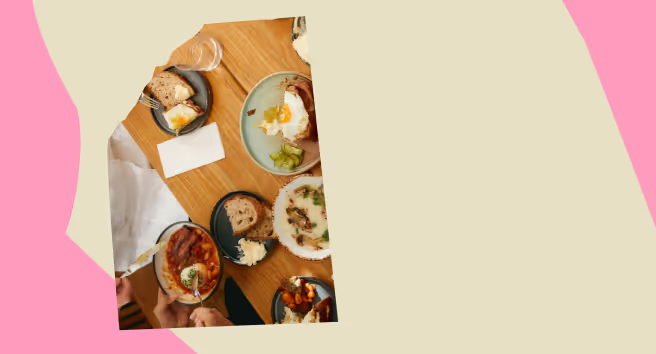
If you’ve spent any time in online fertility forums, you’ve probably seen the lists: pineapple core for implantation, Brazil nuts for selenium, pomegranate juice for blood flow. While the intention is supportive, this flood of information can feel overwhelming, turning your kitchen into another source of stress. Let’s take a step back and separate fact from fiction. While there’s no single magic food that guarantees a positive pregnancy test, your overall diet does play a supportive role. This article is here to cut through the noise and offer a realistic, science-backed guide to the food to eat after embryo transfer, helping you feel empowered, not pressured.
Key Takeaways
- Embrace a balanced diet, not a perfect one: Your goal is to support your body with nutrient-rich whole foods, not to add stress by following a rigid set of rules. Focus on what makes you feel good.
- Build your plate with supportive foods: Incorporate lean proteins, healthy fats like avocado and nuts, colorful fruits and vegetables, and fiber-rich whole grains to create a welcoming environment for an embryo.
- Make mindful choices about what to limit: Act as if you're already pregnant by avoiding alcohol, raw fish, and high-mercury fish, and keeping caffeine under 200mg. You can confidently ignore common food myths—no single food guarantees success.
Does Your Diet Really Matter After an Embryo Transfer?
After everything you’ve been through to get to your embryo transfer, it’s completely normal to wonder what you can do to give it the best possible chance. You’ve followed every instruction, taken every medication, and now you’re in the two-week wait. So, let’s get right to it: does your diet really matter at this stage?
The short answer is yes. While there’s no magic food that guarantees a positive pregnancy test, what you eat can play a supportive role. Think of it less as a strict set of rules and more as creating a welcoming, nutrient-rich environment for an embryo to thrive. Good nutrition can help with the embryo attaching to the uterus (implantation) and can support a healthy uterine lining. It’s about giving your body the building blocks it needs during this critical time.
But let’s be clear: this isn’t about adding another layer of stress to your plate. You don’t need to aim for perfection. This is about making mindful choices to support your overall health during a physically and emotionally demanding part of your IVF journey. Focusing on a balanced diet is one of the things you can control, and that in itself can feel pretty empowering. The goal is to nourish your body, not to follow a restrictive diet that makes you miserable.
What to Eat After Your Embryo Transfer
After an embryo transfer, it’s natural to wonder what you can do to support implantation. While there’s no magic diet that guarantees a positive pregnancy test, focusing on a balanced, nutrient-rich diet can help create a supportive environment for a potential pregnancy. Think of it less as a strict set of rules and more as a way to nourish your body during this hopeful time. The goal is to eat whole foods that are rich in vitamins and minerals, which can support your overall health and well-being. Let’s walk through some of the key food groups to focus on during the two-week wait.
Lean Proteins
Protein is essential for building and repairing cells, which is exactly what you want happening as an embryo begins to grow. Including a source of lean protein with every meal can help keep you full and your blood sugar stable. While chicken and fish are great options, some research suggests that plant-based proteins may lead to better fertility outcomes. Consider incorporating foods like beans, lentils, nuts, tofu, and tempeh into your meals. You could try adding lentils to a soup, snacking on a handful of almonds, or making a stir-fry with tofu.
Healthy Fats and Omega-3s
Don’t be afraid of fats—as long as they’re the right kind. Healthy fats are vital for hormone production and healthy cell development. You can find them in foods like avocados, nuts, seeds, and olive oil. Omega-3 fatty acids, a type of healthy fat, are particularly beneficial for pregnancy and may also play a role in fertility. Fatty fish like salmon is a fantastic source, but you can also get omega-3s from walnuts, chia seeds, and flaxseeds. Try adding sliced avocado to your toast, sprinkling chia seeds on your yogurt, or using olive oil as your go-to for salad dressings.
Leafy Greens and Folate
You’ve probably heard about the importance of folate (or its synthetic form, folic acid) for a healthy pregnancy, and for good reason. This B vitamin is crucial for cell growth and DNA formation, making it a key nutrient during the earliest stages of development. Leafy greens like spinach, kale, and Swiss chard are packed with folate. It’s easy to add a handful of spinach to a smoothie, use kale as a base for a salad, or sauté some greens as a side dish for dinner. These greens are also full of other important vitamins and minerals that support your overall health.
Colorful Fruits and Veggies
A good rule of thumb for a healthy diet is to "eat the rainbow," and this is especially true after an embryo transfer. Fruits and vegetables in a variety of colors provide a wide range of antioxidants, which help protect your cells from damage. They’re also loaded with fiber to aid digestion and countless vitamins and minerals that support your body and a developing embryo. Aim for about five servings of fruits and vegetables each day. Think berries in your oatmeal, a colorful salad for lunch, and roasted veggies with dinner.
Whole Grains and Fiber
Choosing the right carbohydrates can make a big difference. Whole grains like quinoa, brown rice, oats, and whole-wheat bread are considered "complex carbohydrates." They are full of fiber, which helps with digestion and can prevent constipation—a common and uncomfortable side effect of the progesterone supplements often used during an IVF cycle. Unlike refined carbs (like white bread and sugary snacks), whole grains release energy slowly, which helps keep your blood sugar levels steady. Starting your day with a bowl of oatmeal or swapping white rice for quinoa can be simple, effective changes.
What to Avoid After Your Embryo Transfer
Just as important as what you put into your body is what you keep out of it. The two-week wait can feel like you’re walking on eggshells, but you don’t need to add a restrictive diet to your list of stressors. The goal here isn’t perfection; it’s about being mindful and avoiding a few key things that could interfere with implantation or a healthy early pregnancy. Think of it as creating the most welcoming, nurturing environment possible for your little embryo. By steering clear of certain foods and drinks, you’re simply removing potential risks and giving yourself peace of mind, which is just as important as any nutrient during this time.
Alcohol and Caffeine
This one is probably no surprise. It’s best to act as if you’re already pregnant, which means cutting out alcohol completely after your transfer. Alcohol can negatively impact an embryo’s ability to implant and grow, and it’s a known risk for miscarriage and fetal development issues. When it comes to caffeine, you don’t have to go cold turkey, but you should cut back. Most doctors recommend keeping your intake under 200 milligrams per day—that’s about one or two small cups of coffee. This simple precaution helps to support a healthy implantation process and is a good habit to get into for a potential pregnancy.
Raw or Undercooked Meats and Fish
Now is the time to put sushi, steak tartare, and rare burgers on hold. Raw or undercooked meats, poultry, and seafood can carry harmful bacteria (like Listeria and Salmonella) or parasites that could make you sick. An infection and fever could be risky during this delicate phase and may increase the risk of miscarriage. To be safe, make sure any meat, fish, or eggs you eat are cooked all the way through. This is a standard food safety guideline for pregnancy, so it’s a great practice to start right after your embryo transfer. It’s a small adjustment that can make a big difference in protecting both your health and your potential pregnancy.
High-Mercury Fish and Processed Foods
While some fish are great for you, others contain high levels of mercury, which can be harmful to a developing baby’s brain and nervous system. Steer clear of big, predatory fish like shark, swordfish, king mackerel, and tilefish. Instead, stick to low-mercury options like salmon, shrimp, and cod. It’s also a good idea to limit highly processed foods. Things like fast food, sugary snacks, and foods with lots of artificial ingredients don’t offer much nutritional value and can contribute to inflammation. Focusing on whole, unprocessed foods is one of the best dietary tips you can follow to support your overall health right now.
Key Nutrients for the Two-Week Wait
While a balanced diet is always a good idea, certain nutrients play a starring role in supporting your body during the two-week wait. Think of this time as preparing the best possible environment for a potential pregnancy. Focusing on whole foods packed with these key vitamins and minerals can help ensure your body has everything it needs. Don't stress about hitting every single nutrient every single day—the goal is to be mindful and incorporate a variety of healthy foods into your meals and snacks. Taking a high-quality prenatal vitamin is also a great way to fill in any nutritional gaps and give you peace of mind that you’re covering all your bases.
Folic Acid and B Vitamins
You’ve probably heard about folic acid, and for good reason. This B vitamin is a powerhouse when it comes to creating new cells and has been shown to help prevent serious birth defects. Since it can be tough to get enough from food alone, many breads, pastas, and cereals are fortified with it. You can also find it naturally in leafy greens like spinach and kale, as well as in beans and citrus fruits. A good prenatal vitamin is your best bet for making sure you’re getting the recommended amount, as it’s a crucial nutrient from the earliest moments of development.
Iron and Vitamin D
Often called the "sunshine vitamin," Vitamin D is important for hormone regulation and overall reproductive health. Your body can make it from sun exposure, but you can also find it in foods like fatty fish (think salmon), egg yolks, and fortified milk or yogurt. Iron is another key player, as it helps your body make blood for both you and a potential baby. You can get iron from lean red meat, poultry, and fish, but there are also great plant-based sources like beans, lentils, and spinach. Pairing iron-rich foods with a source of vitamin C—like bell peppers or strawberries—can help your body absorb the iron more effectively.
Calcium, Magnesium, and Zinc
Building strong bones is a marathon, not a sprint, and calcium is essential from the very beginning. Dairy products like milk, cheese, and yogurt are classic sources, but you can also get plenty from fortified plant milks, tofu, and dark leafy greens. Magnesium and zinc are also vital for hundreds of processes in your body. Magnesium, found in foods like nuts, seeds, and whole grains, can help with everything from muscle function to energy production. A handful of walnuts is a fantastic snack, offering not just magnesium but also fiber and healthy omega-3 fats. Zinc, found in lean meats, beans, and nuts, plays an important role in cell division and growth.
Let's Talk About Post-Transfer Diet Myths
If you’ve spent any time in online fertility forums, you’ve probably seen lists of foods that supposedly guarantee implantation. While it’s tempting to look for a magic bullet, a lot of this advice is based more on hope than on science. Let's clear up a few of the most common myths you’ll encounter during your two-week wait. The goal here isn’t to add more rules to your plate, but to take some of the pressure off. Your focus should be on overall wellness, not a perfect, myth-fueled diet.
Are There Really "Fertility Superfoods"?
You’ve likely heard whispers about certain "superfoods" that can help an embryo stick. Things like pomegranate juice, Brazil nuts, and beetroot juice often top these lists. While these foods are perfectly healthy and contain beneficial nutrients, there’s no strong scientific evidence to suggest they directly improve the success of an embryo transfer. So, if you enjoy them, feel free to include them in your diet. But please don’t feel pressured to force them down thinking they’re the one thing that will make a difference. Your body will benefit more from a consistently balanced diet than from a last-minute superfood binge.
The Deal with Pineapple Core and Pomegranate Juice
Let’s get specific about the most famous fertility food myth: pineapple core. The theory is that an enzyme in pineapple called bromelain can aid implantation. Similarly, pomegranate juice is often praised for its potential to improve uterine blood flow. While these foods aren't harmful in moderation, the idea that they are essential for a successful transfer is not backed by solid research. You don’t need to go out of your way to eat them specifically for implantation. Eating a whole pineapple or drinking gallons of juice won’t change the outcome, and it’s one less thing you need to worry about during an already stressful time.
A Quick Reality Check: No Food is a Magic Bullet
Here’s the simple truth: no single food or nutrient will guarantee a successful implantation. The most important thing you can do is focus on a healthy, balanced diet that supports your body's overall well-being throughout your entire IVF journey. Think of food as a way to nourish and care for yourself, not as a test you have to pass. Eating well helps create a healthy environment for a potential pregnancy, but it’s just one piece of a very complex puzzle. Be kind to yourself, eat foods that make you feel good, and let go of the pressure to find a miracle in your kitchen.
How to Make Eating Well a Little Easier
The two-week wait can feel like a marathon for your emotions and your body. The last thing you need is more stress, especially in the kitchen. Thinking about what to eat shouldn't feel like a chore. The goal is to nourish your body with minimal fuss, so you can focus on taking care of yourself. Here are a few simple ways to make healthy eating feel more manageable during this time.
Simple Meal Prep Ideas
You don’t need to spend your entire Sunday cooking to eat well all week. Instead, think in terms of components. Prepping a few versatile ingredients can make throwing together a nutritious meal much easier. Many experts recommend a Mediterranean-style diet, which is full of whole grains, healthy fats, fruits, and veggies. Try roasting a big pan of vegetables, cooking a batch of quinoa, and grilling some chicken or fish. You can mix and match these all week for simple salads, grain bowls, and light dinners without having to cook from scratch every night.
Go-To Healthy Snacks
When a snack craving hits, having healthy options ready can make all the difference. Focus on snacks that are rich in protein and healthy fats, which can help with hormone production and keep you feeling full. Keep hard-boiled eggs in the fridge, portion out small bags of almonds or walnuts, or have avocados on hand to mash onto whole-grain toast. Other great options include cottage cheese with berries, Greek yogurt, or apple slices with nut butter. These snacks are not only easy to grab but also provide the steady energy your body needs.
Staying Hydrated: What to Drink
Staying hydrated is crucial after an IVF transfer. Drinking enough water—aim for about 8-10 glasses a day—helps transport nutrients where they need to go and supports a healthy uterine lining. If you get tired of plain water, you have other great options. Try sipping on coconut water, gentle herbal teas like chamomile or ginger, or clear broths. Keeping a reusable water bottle with you throughout the day is a simple visual reminder to keep drinking. Just be sure to check with your doctor about any specific herbal teas to ensure they’re safe for you.
Listening to Your Body During the Two-Week Wait
The two-week wait can feel like the longest two weeks of your life. It’s a time filled with hope, anxiety, and a whole lot of symptom-spotting. While you can’t control the outcome, you can control how you care for yourself. Tuning into your body’s signals—what it’s craving, what it’s rejecting, and what makes it feel good—is one of the best things you can do for your physical and emotional well-being right now. It’s less about a rigid set of rules and more about gentle self-care.
Eating to Ease Symptoms
After an embryo transfer, your body is working hard. Eating well is a great way to support it and help the embryo implant successfully. A nutritious diet gives your body the energy it needs and can help thicken your uterine lining, creating a welcoming home for the embryo. This doesn't mean you need a "perfect" diet. Instead, focus on balance. Think whole fruits and vegetables, lean proteins like chicken and fish, and healthy fats from sources like avocados and walnuts. Foods like quinoa and leafy greens are also fantastic choices during this time. The goal is to nourish your body, not to add another layer of stress to your plate.
What to Do About Cravings and Aversions
The emotional journey of IVF is intense, and the two-week wait is often the peak. It’s completely normal to feel a mix of excitement, anxiety, and everything in between. These feelings can absolutely show up in your appetite, leading to sudden cravings or aversions to foods you usually love. The best advice? Listen to your body. If you’re craving chocolate, have some. If the thought of your go-to salad makes you queasy, find something else that sounds good. Honoring what your body and mind need is a powerful form of self-care during a time when so much feels out of your control.
A Note on Food Safety
While you’re focusing on nourishing foods, it’s also smart to be mindful of a few things to avoid. Think of these as early pregnancy precautions—simple steps to create the safest possible environment for a potential pregnancy. It’s best to skip alcohol completely, as it can affect hormone levels and harm a developing embryo. You’ll also want to limit your caffeine intake to less than 200 milligrams a day (about one 12-ounce cup of coffee). Finally, be cautious with dairy and stick to pasteurized options. Unpasteurized products like certain soft cheeses can sometimes contain harmful bacteria, so it’s better to play it safe.
Related Articles
- 11 After Embryo Transfer Precautions to Take
- Your Step-by-Step Embryo Transfer Procedure Guide
- The Embryo Transfer Process: A Step-by-Step Guide
- 15 Frozen Embryo Transfer Tips for Success
- 15 Essential Embryo Transfer Tips
Frequently Asked Questions
Do I have to completely give up my morning coffee during the two-week wait? Not necessarily. You don’t have to go cold turkey, but it is a good idea to cut back. Most doctors recommend keeping your caffeine intake under 200 milligrams a day, which is about one small cup of coffee. If you’re used to drinking more, try swapping your second cup for a decaf or a gentle herbal tea. The goal is to create a supportive environment for implantation, and reducing caffeine is a simple way to do that.
I accidentally ate something on the "avoid" list. Did I ruin my chances? Please don’t panic. Accidentally eating something once is highly unlikely to affect the outcome of your transfer. The guidelines for what to avoid are about reducing overall risk, not about achieving perfection. This journey is stressful enough without worrying about a single meal. Just get back to making mindful choices at your next meal and give yourself some grace.
Is it okay to eat out at restaurants right now? Absolutely, you don’t need to put your social life on hold. When you’re eating out, just be mindful of your choices. Opt for dishes with well-cooked meats or fish and plenty of vegetables. It’s a good time to skip the sushi bar or the rare steak, but most restaurant menus have plenty of wonderful, safe options to choose from.
Besides a prenatal vitamin, are there other supplements I should be taking? A high-quality prenatal vitamin is usually all you need. It’s specifically designed to cover your bases for crucial nutrients like folic acid and iron. While it can be tempting to add more supplements to the mix, it’s best to focus on getting your nutrients from a balanced diet of whole foods. If you’re concerned about a specific deficiency, it’s always best to talk with your doctor before adding anything new to your routine.
What if I'm too stressed or tired to cook elaborate meals? This is completely normal, so be kind to yourself. Eating well doesn’t have to be complicated. Focus on simple assembly rather than cooking from scratch. Think about things like Greek yogurt with berries and nuts, scrambled eggs on whole-grain toast, or a simple grain bowl using pre-cooked quinoa, canned beans, and a handful of spinach. Your body will benefit just as much from simple, nutrient-dense meals as it would from a fancy recipe.